1. Sunshine, Solar Potential & Renewable Energy
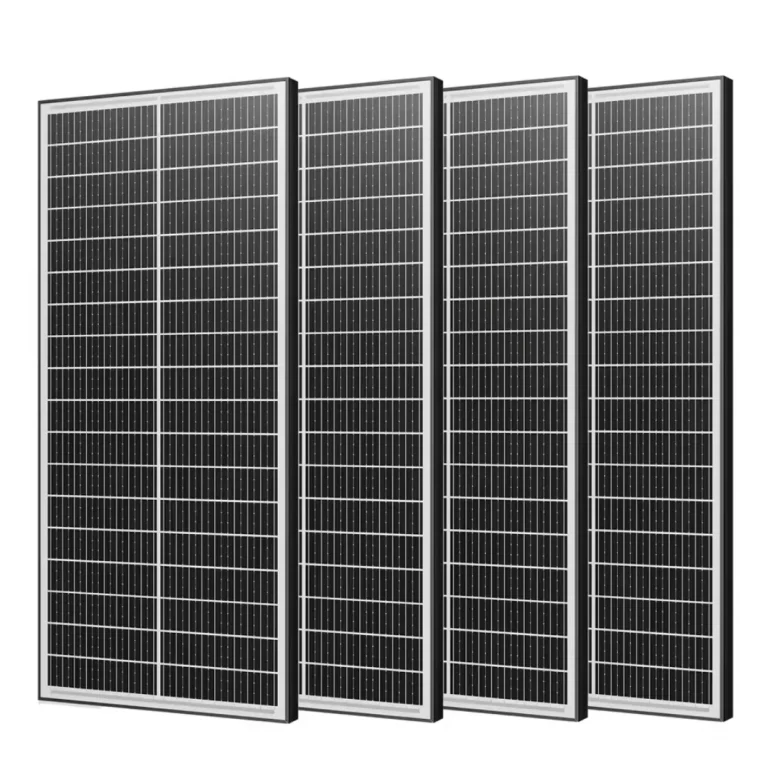
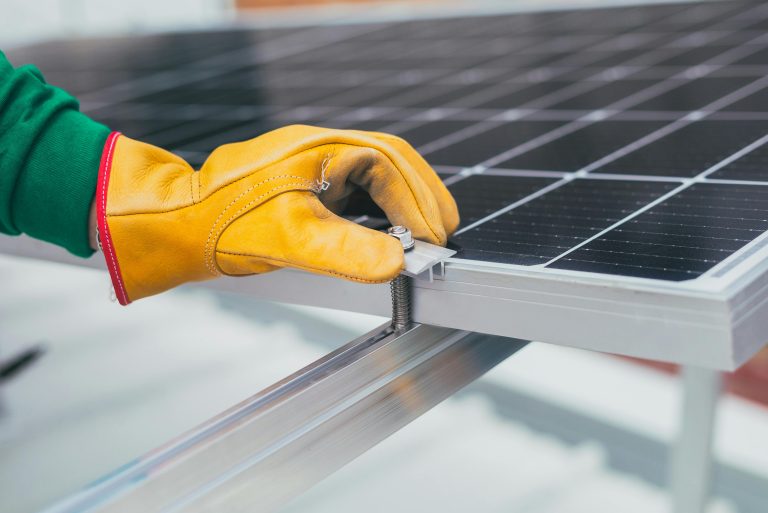
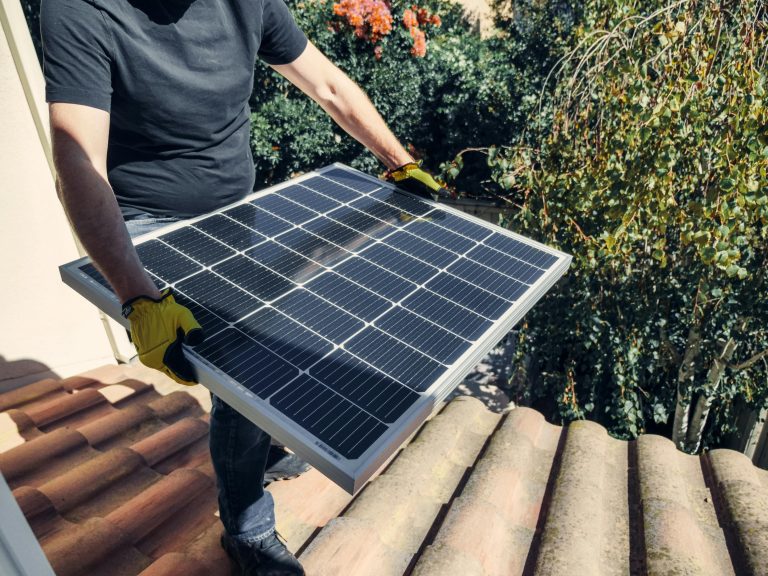
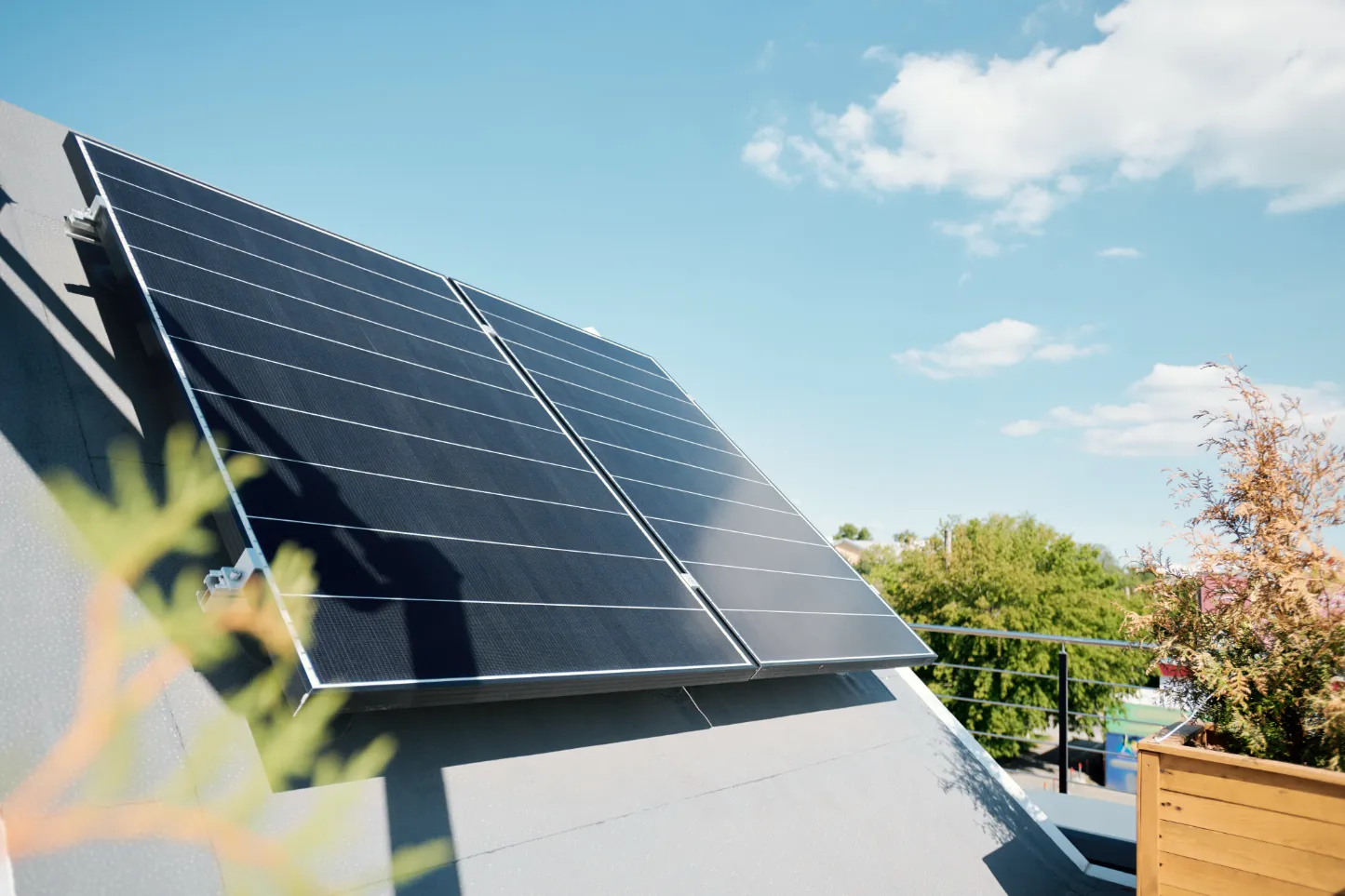
One of the biggest advantages of choosing Florida as your base for off-grid living is its exceptional solar potential. Solar panels can work very well in Florida’s climate, thanks to the abundant sunlight and milder winters:
- A recent article notes: “One of the greatest advantages of off-grid living in Florida is its abundant sunshine. The state’s favorable solar conditions provide ample opportunity for harnessing solar energy.” GoSun+1
- Also, battery / energy-storage systems are increasingly practical in Florida to support independence from the grid. Sigenergy
- More generally, off-grid living offers major financial and environmental benefits: reduced utility bills, smaller ecological footprint. Land Limited+1
Why this matters:
- Fewer cloudy days = more reliable solar generation and shorter payback times for panels and batteries.
- Long sunny seasons mean you can plan for a significant portion of annual energy needs being covered by renewables.
- With proper setup (panels + storage), you can approach true independence from the utility grid.
2. Mild Winters & Long Growing Seasons
Florida offers a climate that is friendly to off-grid living in multiple ways:
- Winters are mild compared to many northern states, meaning less energy is needed for heating.
- The long growing season means you can grow more of your own food, which is a key pillar of off-grid life.
- The climate supports rainwater capture and possibly well systems with fewer freeze-risks than colder climates.
These aspects make Florida more forgiving and practical for self-sufficiency than harsh climates where heating, insulation, snow, and short growing seasons add major complexity.
3. Diverse Landscapes & Land Options
Florida has a wide variety of land types — from inland woods and uplands, to more remote areas near the coast or in the panhandle — which makes it versatile for off-grid living.
- The ability to find rural or lightly populated land is important. One guide lists “distance from a big city” and “water source” among the top criteria for off-grid property. rethinkrural.raydientrural.com
- For example, the planned community Babcock Ranch, Florida in Southwest Florida shows how this state is already pushing sustainable, solar-powered design in a real community context. Wikipedia+1
Having choices of location means you can select a spot that balances remoteness (for independence) and accessibility (for supplies, medical, logistic).
4. Legal & Technical Feasibility
Off-grid living isn’t just about willpower — you also need to navigate building codes, water/waste rules, energy system design, and more. Florida scores well here:
- A blog article specifically covering off-grid living in Florida discusses the legal landscape, confirming that yes, you can live off-grid in Florida — with proper planning around water, waste, energy systems. GoSun
- For example: compliance with building codes (especially hurricane-resilience), septic/wastewater rules, rainwater harvest or wells must be addressed.
- This means you’re not facing impossible regulatory barriers — just the typical due diligence for any self-sufficient build.
5. Hurricane & Resilience Considerations (and Why Florida Improves Them)
One of the key challenges of off-grid living in Florida is the risk from hurricanes, storms, flooding and tropical conditions. But interestingly, this becomes a case for why Florida is especially suited for well-designed off-grid homes.
- Resilience: For example, the Babcock Ranch community endured Hurricane Ian and because it was built with strong codes + solar infrastructure, it maintained power when other areas did not. Axios+1
- The off-grid mindset (energy storage + redundant systems + self-sufficiency) aligns well with hurricane preparedness: when the grid fails, independent systems can carry you through.
- As the blog “Can You Live Off-Grid in Florida?” points out: designing for extreme weather is part of the plan. GoSun
Key takeaway: If you build with weather-resilience in mind (strong structure, elevated where needed, quality water/waste systems, reliable battery backup), Florida’s very risks become part of the value of being independent.
6. Economic & Lifestyle Benefits
Going off-grid isn’t just green-thinking—it has lifestyle and economic advantages too:
- As one source states: “Living off-grid can drastically reduce monthly utility bills … Over time, savings could fund improvements or upgrades.” Land Limited+1
- In Florida, with lower heating demands, strong solar support, and the possibility of growing food year-round, the economics of off-grid living are better than in harsher climates.
- Lifestyle-wise, off-grid living offers freedom, connection with nature, less dependency on the grid, more resilience. APXN Property+1
If you’re drawn to a simpler, more self-sufficient lifestyle—with a warm climate, outdoor opportunities, and a place where you can live comfortably off-grid—Florida checks many boxes.
7. Steps & Considerations for Off-Grid Planning in Florida
Before you pack up and move off the grid, especially in Florida, here are essential steps and topics to check:
- Find the right land
- Ensure access/legal rights for solar exposure, rainwater catchment, maybe well or groundwater.
- Check zoning, building restrictions, easements.
- Check for natural risks: flooding zones, hurricane exposure, salt water intrusion (especially if coastal).
- Energy system design
- Solar panels sized for your load + battery storage (to handle non‐sunny days).
- Consider generator backup or hybrid solar/wind if appropriate.
- Review the local utility/solar incentives/net-metering (even if off‐grid you may want grid-tie for backup).
- Insulation, shading, passive cooling/heating matter (less extreme temp swings = fewer watts).
- Water & waste systems
- Rainwater harvesting + filtration, or well + pump system.
- Septic systems or composting toilets if remote.
- Greywater reuse maybe.
- Stormwater management (especially during heavy rains/hurricanes).
- Weather & disaster proofing
- Build to adopt strong building codes (hurricanes, wind loads).
- Elevation if in flood zone.
- Secure outdoor equipment (panels, batteries).
- Plan for evacuation/emergency if extreme event.
- Lifestyle & logistics
- How remote do you want to be? Accessibility to supplies, medical, roads.
- Food production: what you grow, what you buy, storage.
- Community / neighbours: even off grid, connections matter.
- Maintenance: off-grid homes often require more hands-on upkeep.
- Regulatory & financial check
- Building permits, zoning, water rights in county/municipality.
- Insurance: what does it cost in remote/off-grid setting in Florida?
- Financing: initial install costs, payback timeframe, incentives.
- Long term: plan for battery replacement, maintenance of off-grid systems.
8. Why Florida Might Be Better Than Many Other Places
While there are many states and remote places that support off-grid living, Florida offers a combination of factors that give it an edge:
- Longer growing seasons = you can realistically grow more of your own food and rely less on imports.
- Strong solar potential = higher yield for solar generation.
- Mild winters = less energy for heating and fewer cold-weather failures.
- Tourist economy and infrastructure means services, parts, maintenance are more accessible even in remote parts.
- Increasing local interest (and businesses) in sustainable living / off grid — means you’re not entirely alone.
- Existing precedent: communities like Babcock Ranch demonstrate the feasibility in Florida.
9. Realistic Challenges & How to Mitigate Them
Of course, nothing is perfect — off-grid living in Florida has specific challenges. But knowing them means you can plan appropriately.
- Hurricanes & storms: The risk is real. Mitigate by building strong, using elevated design, secure systems, redundancy.
- Humidity & heat: Florida’s summer heat/humidity increases energy demands (e.g., for cooling) and can stress systems (batteries, electronics). So plan shading, passive cooling, efficient appliances.
- Initial costs: Solar + battery + well/septic + building to rugged specs = upfront investment. But long-term savings and independence offset this. GoSun+1
- Regulation/laws vary: Each county in Florida has its own rules for wells, septic, rainwater harvesting, building codes. Due diligence is a must.
- Isolation vs services: Being remote means fewer neighbours, less immediate support; you need skills, maintenance mindset, supply planning.
10. Why You Should Consider Getting Expert Support
Transitioning to off-grid living is a major project — you’ll benefit from expert help. In the context of Florida, a specialist installer is very useful. For example:
- At InstalledByUs.com (phone: (239) 241-0953), you can contact professionals who understand Florida’s climate, solar potential, off-grid systems and local code/regulation nuances.
- They can help with system design (solar arrays + battery), permit filings, local compliance, and build resilience for hurricanes or storms.
- Having experienced installers means fewer surprises, better performance, faster payback.
Florida offers a compelling case for off-grid living: abundant solar energy, a warm climate, long growing seasons, and practical access to off-grid infrastructure. When done correctly — with good site choice, strong design, reliable systems, regulatory compliance and support — you can achieve a sustainable, resilient lifestyle that many only dream of.
If you’re ready to begin that journey and would like professional guidance, please reach out to InstalledByUs.com at (239) 241-0953. They can help you assess your project, design your system, navigate Florida regulations, and make your off-grid dream a reality.